AlphaFuel Pro Reviews: Myths vs Facts About Dietary Supplements
The Rise of Dietary Supplements: A Surprising Statistic
Have you noticed how many people in California, New York, and Texas are talking about dietary supplements these days? It seems like every store shelf is packed with bottles promising various health benefits. According to recent statistics, over 77% of Americans take dietary supplements, and that number keeps climbing.
A study published in the Journal of Nutrition found that nearly half of the U.S. population uses at least one dietary supplement. It's a growing trend that highlights our search for ways to improve health and well-being. With busy lifestyles, many folks are looking for quick and easy options.
Research suggests that the increase in supplement use may be linked to a growing awareness of health and nutrition. For example, a recent study indicated that more people are proactively seeking ways to fill nutritional gaps in their diets.
If you're in Florida or Illinois, you might have noticed friends or family members sharing their supplement routines. People often talk about what works for them, creating a buzz around different products. This social influence plays a big role in the decision to try new supplements.
So, as dietary supplements gain popularity, understanding them becomes increasingly important. You want to make sure you're informed about what you're taking.
Myth vs Fact: Can Supplements Replace a Balanced Diet?
There's a common belief that you can just pop a few supplements and forget about healthy eating. Sound familiar? But here's the truth: while supplements can be helpful, they can't replace the nutrients found in whole foods.
Many people don’t realize that a balanced diet provides not just vitamins and minerals, but also fiber, healthy fats, and other essential compounds. Research shows that whole foods offer a complex blend of nutrients that work together in ways that supplements often can’t replicate.
A study published in the American Journal of Clinical Nutrition found that individuals who relied heavily on supplements often missed out on the health benefits that come from eating fruits, vegetables, and whole grains. These foods contain phytochemicals and antioxidants that may support health in ways supplements can't.
Living in Washington or Ohio, you may come across local farmers' markets filled with fresh produce. Eating a variety of colorful fruits and veggies is not only delicious but also gives you the nutrients your body craves. Remember, nature provides a toolkit of health that’s hard to mimic with pills.
So, while supplements can support your health, don't forget the power of a well-rounded diet. It’s not just about the numbers on the pill bottle; it’s about the food on your plate.
Understanding AlphaFuel Pro: What Is It Really?
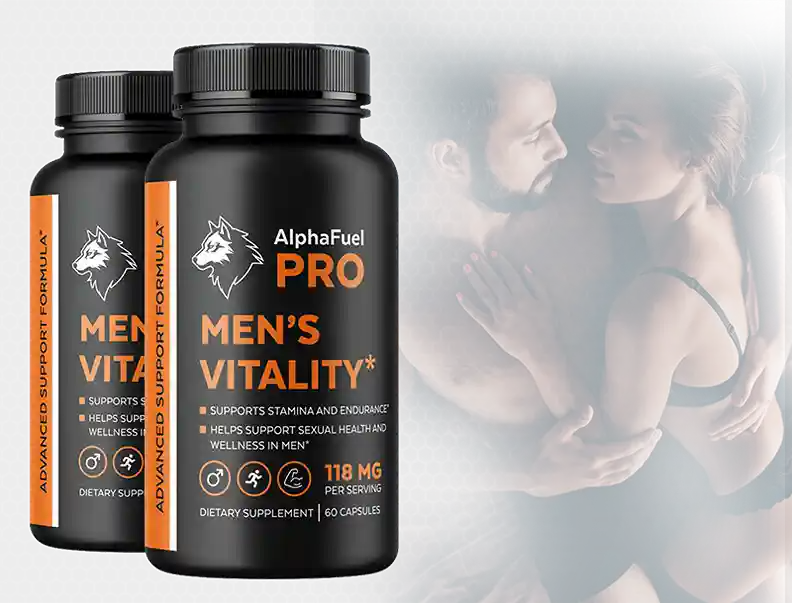
So, you’ve heard about AlphaFuel Pro and are curious about what it really is. You're not alone—many people are trying to understand the buzz around this supplement. AlphaFuel Pro is marketed as a dietary supplement designed to enhance fitness and overall wellness.
This supplement may include ingredients like amino acids, vitamins, and minerals, which are often touted for their potential benefits in supporting energy and recovery. But what exactly does that mean for you? It’s important to look deeper into what these ingredients do.
Research suggests that amino acids, for instance, play a vital role in muscle repair and growth. A study published in the Journal of Sports Medicine indicates that certain amino acids may help reduce muscle soreness after exercise.
If you're in Texas or Florida, you might find that fitness enthusiasts rave about products like AlphaFuel Pro. They often share their experiences on social media, creating a buzz that makes it tempting to jump on the bandwagon.
Understanding what a supplement is intended to do is crucial. Ultimately, it’s about knowing whether it aligns with your health goals, rather than just getting caught up in the hype.
Myth vs Fact: Are All Supplements Safe?
One of the biggest myths out there is that all dietary supplements are safe. But here’s the thing: just because something is labeled as a 'supplement' doesn’t mean it’s always safe for everyone. In fact, the safety of these products can vary widely.
Unlike medications, dietary supplements are not as tightly regulated by the FDA. This means some products may contain ingredients that aren't listed on the label or may have harmful contaminants. A report from the National Institutes of Health shows that adverse events related to supplements are more common than you might think.
A recent study indicates that individuals who take multiple supplements are at a higher risk for negative interactions. For example, combining certain herbs with prescription medications can lead to harmful effects.
In Illinois or New York, you may find a wide range of supplements in stores, but just because something is available doesn't mean it's safe. Always do your homework—look up the ingredients and research any potential side effects.
When it comes to supplements, being informed is your best defense. Always consult with a healthcare provider before starting something new.
The Role of Supplements in Aging: What Research Says
As we age, many of us start looking for ways to support our health. You've probably wondered if dietary supplements might help. Well, research suggests that some supplements may support health as we get older, but they’re not a magic bullet.
For example, vitamins D and B12 are often highlighted for their potential benefits in older adults. A study published in the Journal of Gerontology found that low levels of these vitamins can negatively affect health outcomes as we age.
Another study suggests that omega-3 fatty acids could support heart health as we grow older. These nutrients might help maintain cognitive function and reduce inflammation, which can be particularly important for older adults.
Living in states like Washington or Florida, you might notice that the aging population is increasingly turning to supplements in hopes of enhancing quality of life. It's common to see older adults discussing their supplement regimens at community centers or fitness classes.
While some supplements may support your health as you age, remember that they work best alongside a balanced diet and regular exercise. It's all about creating a holistic approach to wellness.
Myth vs Fact: More is Better with Supplements
Many people believe that if a little supplement is good, then more must be better, right? Wrong. Here’s the deal: taking excessive amounts of supplements can lead to serious risks.
Some vitamins and minerals are water-soluble, which means your body can flush them out. But others, like vitamin A or iron, can accumulate in your system and potentially cause toxicity. Research shows that overconsumption can lead to adverse health effects.
For instance, a study found that high doses of vitamin D can lead to hypercalcemia, which causes nausea, weakness, and kidney issues. Yikes!
If you live in Texas or Ohio, you might see friends in fitness groups touting mega-doses of various supplements, but it’s best to stick to the recommended dosages. The right amount can help you without the risk of side effects.
So remember, more doesn't always mean better when it comes to supplements. Stick to what’s recommended, and you’ll likely be better off.
Debunking the Myth of Instant Results from Supplements
We live in a world where we want everything fast—fast food, fast results, you name it. But here’s the thing: expecting instant results from supplements is a myth. It just doesn’t work that way.
Many people jump into taking supplements thinking they’ll see immediate changes, but that’s rarely the case. Health and wellness are journeys that take time and consistency. Research indicates it can take weeks or even months to notice benefits from certain supplements.
A recent study highlights that patience is key; improvements in areas like energy levels or muscle recovery often come gradually rather than overnight.
If you’re in Illinois or California, you might hear friends share stories about their supplement journeys, but don’t get discouraged if you don���t see quick changes. It’s all part of the process of supporting your body over time.
So, take a deep breath and remember: supplements can support you, but consistency is what truly counts.
Real Users, Real Stories: What Are People Saying?
Curious about what real users think about AlphaFuel Pro? You’re not alone—many people are sharing their experiences online. It’s fascinating to see how different individuals respond to the same product.
Some users report feeling more energized during workouts, while others mention improved recovery times. However, experiences can vary widely, and not everyone feels the same benefits. This highlights the importance of personalizing your wellness journey.
A review from a user in Florida stated they felt more motivated to exercise regularly, while another from Texas noted it helped them with their focus during workouts. But it’s crucial to remember that what works for one person may not work for you.
Research suggests that anecdotal experiences can provide insights but they should be taken with a grain of caution. A study emphasizes that personal experiences are subjective and can be influenced by many factors, including diet and exercise routine.
So, while user stories can be helpful, they're just part of the bigger picture. Ultimately, your own experiences will guide you in deciding if a supplement aligns with your health goals.
Myth vs Fact: Supplements and Exercise Performance
Many athletes and fitness enthusiasts believe that taking supplements alone can boost their exercise performance. But here’s the truth: supplements aren’t magic pills. So what does this mean for you?
While some supplements may support certain aspects of performance—like energy or recovery—they can’t replace the fundamentals of training and nutrition. Studies indicate that a solid diet and consistent exercise regimen are the backbone of any successful fitness plan.
A recent study found that combining supplements with a well-rounded diet and regular exercise yielded the best results for athletes. Nutrition plays a crucial role in fueling your workouts and recovery.
If you live in Washington or New York, you might see fitness influencers promoting products that promise to enhance performance. Just remember that without a solid training plan, no supplement can take the place of hard work.
So, while supplements can support your fitness journey, they’re not a substitute for the basics. Invest in your nutrition and training first, and then think of supplements as an added boost.
Conclusion: The Truth About Supplements Revealed
Throughout this journey into the world of dietary supplements, we’ve uncovered a lot of myths and facts. You might have discovered that supplements can play a role in supporting health, but they can't replace the basics of a balanced diet.
From the importance of whole foods to understanding safety, it's clear that making informed choices is crucial. Remember, research suggests that supplements are most effective when combined with proper nutrition and exercise.
So, if you're considering adding a supplement to your routine, do your homework first. Speak with healthcare professionals and look for reliable studies that can guide your decisions.
No matter where you are—be it Florida or Illinois—remember that supplements can support your health journey, but they’re just one piece of the puzzle. Your overall lifestyle plays a huge role in your well-being.
In the end, being informed is the key to making choices that work best for you.
Key Takeaways
- Dietary supplements are increasingly popular in the U.S., but they aren't a substitute for a balanced diet.
- It's important to understand the difference between myths and facts regarding supplements.
- AlphaFuel Pro is just one of many supplements available, and it's essential to research before use.
- Not all supplements are safe; regulations vary and some can cause harm if misused.
- Patience and a healthy lifestyle are key to seeing benefits from any supplement.